
 eng
eng
 укр
укр
 рус
рус
A safe job search abroad starts with checking the employer or recruitment agency. A job offer should clearly state the country and city, company name, job responsibilities, work schedule, pay, type of employment contract, accommodation conditions, and any possible payroll deductions. Never transfer money to the personal bank accounts of strangers or hand over your original passport to third parties. Before leaving, obtain the employment terms in writing, verify the company's contact details, and keep copies of all documents. A reliable job abroad means legal employment, a clear contract, and the opportunity to ask the employer all important questions before your trip.
Seasonal work in Poland in 2026 mainly covers specific activities defined by law in agriculture, horticulture and tourism, but not every job lasting a few months is legally classified as seasonal work. From 1 January 2026, the minimum wage for full-time employment under an umowa o pracę is PLN 4,806 gross per month, while the minimum hourly rate for civil-law contracts to which it applies is PLN 31.40 gross. Before accepting a job, it is important to verify the legal basis for stay and work, the type of contract, pay, accommodation, deductions and the employer. Read More
Work at a Chocolate-Covered Fruit Production Facility
7400 – 9700 PLN
- USD ≈ 2094 - 2744
- EUR ≈ 43167 - 56583
- CZK ≈ 49808 - 65288
- UAH ≈ 90650 - 118825
24 - 31.40
PLN / hr

- Rogoźnica-Kolonia
- Mon-Sat, 12 hours/day
- 500-600 zł/month
- Free Vacancy
The company produces confectionery products, particularly chocolate-covered fruits.
Sweets Production Worker
4800 – 7300 PLN
- USD ≈ 1358 - 2065
- EUR ≈ 28000 - 42583
- CZK ≈ 32308 - 49135
- UAH ≈ 58800 - 89425
27.50 - 31.40
PLN / hr

- Racibórz
- Mon–Fri, 8 hours/day
- 600 PLN/month
- Free Vacancy
The company specializes in the production of confectionery products, particularly chocolates and pralines.
Berry Picker
5200 – 9100 PLN
- USD ≈ 1471 - 2574
- EUR ≈ 30333 - 53083
- CZK ≈ 35000 - 61250
- UAH ≈ 63700 - 111475
24 - 30
PLN / hr

- Obsza
- Flexible work schedule, 6–11 hours per day
- Free of charge
- Free Vacancy
The company specializes in growing, sorting, and wholesale distribution of fresh berries such as blueberries, strawberries, raspberries, and blackberries.
Sweets Production Worker
5400 – 9100 PLN
- USD ≈ 1528 - 2574
- EUR ≈ 31500 - 53083
- CZK ≈ 36346 - 61250
- UAH ≈ 66150 - 111475
25 - 31.40
PLN / hr

- Kuranów
- Mon-Sat, 12 hours/day
- 650 zł/month
- Free Vacancy
The company produces confectionery products, including wafers, wafer rolls, chocolate candies, pralines, and various sweet snacks.
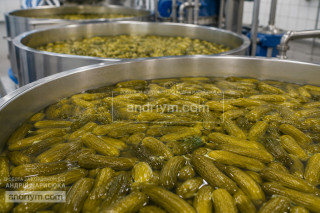
Food Preservation Production Worker
4100 – 6700 PLN
- USD ≈ 1160 - 1895
- EUR ≈ 23917 - 39083
- CZK ≈ 27596 - 45096
- UAH ≈ 50225 - 82075
25.35 - 33.43
PLN / hr
- Łowicz
- Mon–Fri, 8–10 hours/day
- 500–750 PLN/month
- Free Vacancy
The company specializes in the production of fruit and vegetable preserves.
Raspberry and Blueberry Harvesting Job
5100 – 6700 PLN
- USD ≈ 1443 - 1895
- EUR ≈ 29750 - 39083
- CZK ≈ 34327 - 45096
- UAH ≈ 62475 - 82075
25 - 33.6
PLN / hr

- Dobryszyce
- Flexible Work Schedule
- 300 PLN per Month
- Free Vacancy
The company specializes in growing, harvesting, sorting, and packing berries.
Berry Picker
5100 – 6700 PLN
- USD ≈ 1443 - 1895
- EUR ≈ 29750 - 39083
- CZK ≈ 34327 - 45096
- UAH ≈ 62475 - 82075
25 - 33.6
PLN / hr

- Sławoszynko
- Flexible Work Schedule
- 300 PLN per Month
- Free Vacancy
The company specializes in growing, harvesting, sorting, and packing berries, including raspberries and blueberries.
Worker for vegetable packaging
4600 – 5900 PLN
- USD ≈ 1301 - 1669
- EUR ≈ 26833 - 34417
- CZK ≈ 30962 - 39712
- UAH ≈ 56350 - 72275
24.47 - 31.40
PLN / hr

- Legnica
- Flexible schedule, 10 hours/day
- 800 zł/month
- Free Vacancy
A company specializing in packaging fresh vegetables
Warehouse cleaner
5472 – 7868 PLN
- USD ≈ 1548 - 2226
- EUR ≈ 31920 - 45897
- CZK ≈ 36831 - 52958
- UAH ≈ 67032 - 96383
22,80 - 28,10
PLN / hr
- Sulechów
- Mon - Sat, 10 hours/day
- 500 zł/month
- Free Vacancy
One of the leading companies in warehouse, logistics, and industrial real estate in Europe and worldwide
Warehouse worker
4100 – 5900 PLN
- USD ≈ 1160 - 1669
- EUR ≈ 23917 - 34417
- CZK ≈ 27596 - 39712
- UAH ≈ 50225 - 72275
23.70 - 32.25
PLN / hr

- Gdańsk
- Mon - Fri, 8 hours/day
- 400 zł/month
- Free Vacancy
Company collaborating with the Polish branch of the international online store network Cost way
Frequently Asked Questions
The required documents depend on the country, the applicant's citizenship, profession, and legal basis for residence. In most cases, working abroad requires a valid passport, proof of legal stay, a work permit or another legal basis for employment, and an employment contract. Some professions may also require diplomas, certificates, or medical documents. Before travelling, confirm the requirements for your specific job offer and check that all documents remain valid. Do not agree to work without official documentation, as legal employment protects your rights to fair pay, rest periods, insurance, and safe working conditions.
Ask for the employer's full legal name, address, registration details, job description, and a draft of the employment contract. Compare the information in the job offer with the contract, including the hourly or monthly pay, working hours, bonuses, accommodation, transportation, and all possible deductions. Check the company's website, independent reviews, and contact details, but remember that reviews alone are not a substitute for official documents. Be cautious if you are promised unusually high earnings with no requirements, pressured to make immediate payments, or refused information about the employer. A trustworthy job offer provides clear conditions and allows you to receive written confirmation before making a decision.
Before travelling, check your passport, documents required for legal residence and employment, your contract, accommodation address, and the contact details of the responsible coordinator. Make both digital and printed copies of your documents, arrange the necessary insurance, and prepare a financial reserve for the first few weeks. Find out your travel route, accommodation check-in rules, transportation costs, work clothing requirements, and the date of your first shift in advance. Share your accommodation address and employer's contact details with your family or trusted contacts. Good preparation reduces the risk of unexpected expenses and helps you start working in a new country with confidence.
Reviews about the work
Я працював на польових роботах. Спочатку я відносився до цього з великою пересторогою але вирішив спробувати. І не пожалів. Раніше я думав що неготовий до подібної роботи але мій організм мене здивував. Мені дуже сподобалося ставлення господарів до працівників, а також харчування і житло яке нам надавали. Тепер я думаю що і в подальшому буду їздити на сезонні роботи.
Доброго дня. Вирішила залишити свій відгук, щодо сезонної роботи в Польщі. Одразу уточню, що раніше ніколи не була за кордоном на роботі, але вирішила спробувати і переконатися, як то кажуть на власному досвіді «як це насправді».
Роботу зі збору редиски вибрала свідомо, адже вона не потребує особливих навик чи підготовки, спеціальність і кваліфікація значення не мають.
Що мені подобається, це те, що дійсно добре платять, робота на свіжому повітрі, і не дивлячись на те, що робочий день дійсно довгий, він швидко проходить. Так, звичайно дуже втомлюєшся в кінці дня, але така робота підходить для всіх: від студентів до працюючих людей. Приймаються всі жінки та чоловіки бажано до 50 років (вище 50 потрапити сюди вже проблемно). У наступному році хочу відправитися на роботу з чоловіком тут приймають і сімейні пари і ще й селять окремо. Заробітна плата теж порадувала, в цьому році сплачують по 9 грош за зібраний пучок редиски. До речі в дощ роботи немає, а якщо мряка видають гумові чоботи та дощовики.
Роботу зі збору редиски вибрала свідомо, адже вона не потребує особливих навик чи підготовки, спеціальність і кваліфікація значення не мають.
Що мені подобається, це те, що дійсно добре платять, робота на свіжому повітрі, і не дивлячись на те, що робочий день дійсно довгий, він швидко проходить. Так, звичайно дуже втомлюєшся в кінці дня, але така робота підходить для всіх: від студентів до працюючих людей. Приймаються всі жінки та чоловіки бажано до 50 років (вище 50 потрапити сюди вже проблемно). У наступному році хочу відправитися на роботу з чоловіком тут приймають і сімейні пари і ще й селять окремо. Заробітна плата теж порадувала, в цьому році сплачують по 9 грош за зібраний пучок редиски. До речі в дощ роботи немає, а якщо мряка видають гумові чоботи та дощовики.
Працюю з початку квітня на зборі помідорів. Зарплатня залежить від норми та виробітку. Робота подобається, справитися з нормою доволі легко. Головне захотіти. Вставати треба рано, але коли сонце, то не працюємо. Неділя вихідний. Хто не боїться роботи в городі, то можете їхати.
Seasonal work in Poland in 2026: jobs, documents, pay and safety
Seasonal work in Poland remains one option for short-term employment for foreign workers. Additional staff are especially needed during periods of growing, harvesting, sorting and preparing crops, as well as in selected parts of the tourism, hotel and food-service sectors. However, the term “seasonal work” has two meanings: in everyday language, it often refers to any job lasting a few weeks or months, while Polish law defines specific types of activity for which the seasonal-work authorisation procedure applies.
What counts as seasonal work in Poland
A short contract duration does not by itself make a job seasonal in the legal sense. A warehouse, manufacturing, construction or logistics worker may be hired for only two or three months, but that job does not automatically qualify as seasonal work under Polish rules.
Legally, seasonal work covers activities defined, among other sources, in the annex to the Council of Ministers regulation of 25 November 2025, including selected areas of agriculture, horticulture and tourism. What matters is whether the specific activity falls within the statutory list, not merely the industry label or job title. Where a foreign worker requires such authorisation, the relevant document is a zezwolenie na pracę sezonową, or type S seasonal work permit. The job title, the employer’s activity and the legal basis for the work should all be checked.
Official information on the employment of foreign workers should be verified on gov.pl, praca.gov.pl and the website of the relevant district labour office.
Seasonal jobs available in 2026
Actual demand depends on the region, weather, harvest conditions and the tourism season. In the agricultural sector, temporary workers may be hired for work in orchards, plantations, greenhouses and farms. Duties can include plant care, picking fruit, berries and vegetables, sorting, packing and preparing produce for storage or transport.
| Sector | Typical work | When demand may increase |
|---|---|---|
| Agriculture | Harvesting, sorting and preparing crops | Spring to autumn, depending on the crop |
| Horticulture | Work in orchards and on berry plantations | Mainly during ripening and harvesting periods |
| Greenhouses | Plant care, harvesting and sorting | Depends on the growing cycle |
| Tourism | Support and service work in tourist facilities | Summer or winter season, depending on the region |
| Hotels and food service | Cleaning, kitchen work and guest service | Periods of increased tourist demand |
A vacancy in a hotel, restaurant or agricultural business does not automatically mean that the type S procedure applies. The legal framework depends on the specific activity, the worker’s status and the other conditions of employment.
Type S seasonal work permit
A zezwolenie na pracę sezonową type S applies to foreign workers who are required by law to hold such a permit and who perform work legally classified as seasonal. The permit is issued by the starosta through the relevant powiatowy urząd pracy according to the registered office or permanent place of residence of the Polish entity commissioning the work.
In 2026, applications for a seasonal work permit are submitted electronically by the employer through praca.gov.pl. If the foreign worker is outside Poland, the application follows the procedure set out by law and, once the required conditions are met, information is entered in the register of seasonal-work applications. After the foreign worker arrives and the necessary formalities are completed, the permit is issued. An entry in the register is not the same as an already issued permit.
Seasonal work under this regime may be performed for no more than nine months in a calendar year. The method of calculating that period can depend on the worker’s situation and the procedure used, so the relevant dates and documents should be checked before work begins.
The permit is linked to specific employment conditions. Changing employer should not be treated as automatically lawful simply because an earlier document is still valid. The new entity must follow the procedure that applies to the worker’s status. Current requirements should be checked through praca.gov.pl or the relevant PUP.
Lawful stay and the right of a foreign worker to work
Before starting employment, a foreign worker should verify two separate issues: whether their stay in Poland is lawful and what legal basis allows them to perform the work. A lawful stay does not always automatically mean that a person can begin a specific seasonal job without additional formalities.
Depending on the individual’s status, basis of stay, type of work and other circumstances, a type S seasonal work permit or another procedure provided by law may apply. The employer must also complete the formalities required for the specific method of employing a foreign worker.
The right to stay in Poland and the right to work are related but legally distinct questions. Before signing a contract, the worker should establish whether their basis of stay permits employment, whether a type S permit is required and whether the employer has completed the necessary steps. Current information should be checked on the official Office for Foreigners website, gov.pl and praca.gov.pl.
Pay in Poland in 2026
From 1 January 2026, the minimum wage for full-time employment under an umowa o pracę is PLN 4,806 gross per month. The minimum hourly rate for civil-law contracts covered by the statutory hourly minimum is PLN 31.40 gross per hour.
Gross means the amount before statutory deductions. Net is the amount actually paid after the applicable contributions and tax. Net pay cannot be reliably calculated from the gross rate alone, because it depends on the type of contract, insurance, the worker’s tax situation and other legally relevant factors.
The PLN 31.40 rate should not be applied automatically to every form of seasonal work. It applies only to civil-law contracts and situations covered by the statutory minimum hourly rate. Special contracts may be subject to a different legal regime.
If payment depends on the quantity of produce picked or sorted, the calculation method should be clarified in writing before work starts. Where a contract is covered by the minimum hourly rate, piece-rate pay cannot be used to circumvent the statutory minimum. The method used to record hours worked should also be checked.
Bonuses, overtime, night work and payment for downtime depend on the type of contract and the applicable rules. Under an umowa o pracę, Labour Code protections apply, including rules on overtime and night work. Civil-law arrangements may operate differently, so such payments should not be treated as guaranteed unless the contract and legislation support them.
The official minimum pay thresholds for 2026 were set by the Council of Ministers regulation of 11 September 2025. Legal acts can be checked in the official ELI database.
Umowa o pracę, umowa zlecenie and other contracts
The type of contract directly affects the worker’s rights. The name of the document should reflect the actual nature of the relationship: a civil-law contract should not be used solely to avoid employment-law protections where the work in practice has the characteristics of an employment relationship.
| Contract | Main features | What to check |
|---|---|---|
| Umowa o pracę | An employment relationship governed by the Labour Code; rules on working time, rest, leave, minimum pay, BHP and other employment protections apply | Pay, full-time or part-time status, schedule, workplace, contract duration, overtime and additional payments |
| Umowa zlecenie | A civil-law contract; Labour Code rules on annual leave and working time do not apply automatically; ZUS obligations depend on the circumstances defined by law | Hourly rate, time records, contributions, payment dates, termination rules and liability |
| Umowa o pomocy przy zbiorach | A special civil-law agreement for forms of harvest assistance defined by law | Type of work, duration, pay, KRUS insurance and the number of assistance days used; the general PLN 31.40 minimum hourly rate does not apply automatically to this special agreement |
A foreign worker should receive a written contract before starting work. If the worker does not understand Polish, the written content of the contract should be provided before signature in a language they understand. Guidance on lawful employment is available from Państwowa Inspekcja Pracy.
Umowa o pomocy przy zbiorach: what to know
An umowa o pomocy przy zbiorach is a special civil-law agreement between a farmer and an adult helper for types of harvest work defined by law, including the harvesting of hops, fruit, vegetables, tobacco, herbs and medicinal plants. It can also cover legally specified tasks such as removing unnecessary parts of plants, sorting, grading and preparing harvested produce for transport, storage or sale.
This agreement is not an umowa o pracę, and assistance performed under it is not treated as an employment relationship under the Labour Code. The helper therefore should not automatically be assumed to have all the protections available under an employment contract, including employment-law rules on working time, paid annual leave or overtime pay.
The agreement must be concluded in writing before assistance begins. As a general rule, the total period during which one helper may work under such agreements for one or more farmers cannot exceed 180 days in a calendar year. The farmer must register the helper with KRUS for the insurance required by law. Detailed rules and current forms are published by KRUS.
Working time, 12-hour shifts and rest
A job advertisement stating “8–12 hours of work” does not mean that every 12-hour schedule is automatically lawful. Under an umowa o pracę, working time, breaks, daily and weekly rest and overtime are governed by the Labour Code. Certain working-time systems allow the daily working period to be extended, but this must be balanced in accordance with the rules of the applicable system and settlement period.
Under an umowa zlecenie, Labour Code rules on working time do not apply automatically, but this does not remove other legal obligations, safety requirements or contractual conditions. Before travelling, it is advisable to obtain written information about expected hours, shift start and finish times, days off, breaks and how actual work performed will be recorded.
Accommodation, transport, meals and deductions
The phrase “accommodation provided” is not enough to assess a job properly. Before travelling, the worker should find out the exact address or at least the town, the cost of accommodation, the number of people per room, access to a kitchen and bathroom, any deposit, utility charges and the conditions for returning the deposit.
- confirm whether accommodation is free or deducted from pay;
- ask who pays for water, electricity, heating and internet;
- check the distance to the workplace and travel time;
- find out whether transport is free and who is responsible for it;
- confirm the cost of meals if the employer arranges them;
- request a written explanation of all expected deductions.
Workers should not accept vague wording such as “accommodation costs will be deducted from wages” without a specific amount or a clear method of calculation. Conditions that affect actual take-home pay should ideally be confirmed in writing before travel.
Workplace safety: BHP, heat, chemicals and machinery
Field, greenhouse and warehouse work can involve real occupational risks, including heat and direct sunlight, cold, prolonged awkward postures, repetitive movements, manual lifting, sharp tools, moving agricultural machinery and exposure to chemicals.
In an employment relationship, the employer must comply with BHP requirements, provide the necessary training, assess occupational risks and supply appropriate personal protective equipment. Depending on the job and legal form of work, medical examinations and other measures required by law may also apply.
The worker should know whether pesticides have been used, when it is safe to enter a treated area and what gloves, clothing, footwear or other protective equipment are required. Nobody should operate unfamiliar machinery or handle chemicals without the necessary authorisation, instruction and training.
During hot weather, access to drinking water, legally required breaks and appropriate work organisation are especially important. Official occupational-safety materials are available from PIP and CIOP-PIB.
How to check the employer, agency and job before travelling
Before travelling, establish who will legally be the party to the contract. Ask for the full company name or entrepreneur’s name, address, NIP, REGON and contact details. The information in the job advertisement, contract and documents relating to the legalisation of work should be consistent.
If the job is offered by an employment agency or temporary-work agency, check it in the official KRAZ register. The register is available through Krajowy Rejestr Agencji Zatrudnienia and allows entities to be searched, including by name, registration number and NIP.
Before starting work, the worker should receive a contract and understand who pays the remuneration, where the work will actually be performed, who provides accommodation and what charges apply. Do not sign blank forms, documents with missing amounts or pages whose content you do not understand.
Extra caution is needed if an intermediary refuses to identify the employer, promises a “100% guaranteed” job after advance payment, demands to keep the original passport, proposes signing the contract only after several days of work or does not explain how pay will be calculated.
- do not hand over a passport to an employer or intermediary for “safekeeping”;
- do not sign blank or unclear documents;
- do not accept unexplained “penalties” that are not set out in the terms provided to you;
- do not pay simply for a promise of a “guaranteed job” without checking the entity and the legal basis for the payment;
- keep copies of the contract, correspondence, job advertisement, records of hours worked and proof of payment;
- do not accept actual working conditions that differ materially from the documents without checking whether the changes are lawful.
If employment rights are breached or there are doubts about the legality of employment, information on possible complaints is available from Państwowa Inspekcja Pracy.
A good job advertisement should make it possible to understand the real terms of the job rather than merely promoting a high “up to” figure. Ask the employer or agency to confirm the key conditions in writing.
- the employer’s full name and NIP or REGON;
- the KRAZ number if the job is offered by an agency that is required to be registered;
- the exact place and nature of the work;
- the legal basis allowing you to perform the work in your individual situation;
- the type and duration of the contract;
- the gross rate and method of calculating remuneration;
- the planned number of hours and how they will be recorded;
- the rules for overtime or night-work pay, where applicable;
- payment dates and method;
- the cost of accommodation, transport and meals;
- all possible deductions and deposits;
- contract termination rules;
- insurance and BHP arrangements.
If an advertisement states only “up to PLN 8,000” without the rate, number of hours, type of contract and gross/net information, that figure is not sufficient for a meaningful comparison with other vacancies.
What to do if wages are not paid or rights are breached
If a dispute arises, first collect documentation: the contract, schedule, your own record of hours, payslips or settlement documents, bank statements, correspondence with the employer and photographs of documents confirming the agreed conditions. Verbal arrangements are much harder to prove.
Questions concerning employment law and the legality of employment can be directed to Państwowa Inspekcja Pracy. PIP accepts complaints within its area of competence and provides information on workers’ rights. Questions about work permits and the applicable procedure should be checked through praca.gov.pl and the relevant powiatowy urząd pracy.
If the issue concerns lawful stay or another immigration basis rather than employment conditions, the worker should consult official information from the Office for Foreigners or the relevant voivodeship office. A single authority does not automatically resolve every issue involving work, residence, tax and insurance at the same time.
Checklist before taking seasonal work in Poland
Before travelling or starting a new seasonal job, complete a short check. It helps compare vacancies by their actual terms rather than by the headline pay figure.
- Check who the employer is and whether the details match across the advertisement and contract.
- If you use an agency, verify its registration in KRAZ.
- Check the legality of your stay and your right to work separately.
- Establish whether the vacancy is seasonal work in the legal sense and whether a type S permit or another procedure applies.
- Confirm that the employer has completed the formalities required to employ a foreign worker lawfully.
- Obtain the written contract before starting work and read a version you understand.
- Check the gross rate, how net pay will be determined and when payment is due.
- Confirm the schedule, recording of hours, breaks, days off, night work and overtime.
- If pay is piece-rate, check the rate per unit and any applicable minimum-pay protections.
- Confirm in writing the cost of accommodation, deposits, utilities, transport, meals and other deductions.
- Check BHP requirements, any medical examination, protective equipment and the specific risks of the job.
- Do not hand over your passport for safekeeping, do not sign blank forms and keep copies of all documents.
- Before travelling, check the current rules again on official resources including gov.pl, praca.gov.pl, PIP, KRAZ, ELI and, for the harvest-assistance agreement, KRUS.
Seasonal work in Poland in 2026 can be a lawful option for short-term earnings if the worker’s status, employment procedure, contract and actual conditions comply with the law. A vacancy should not be judged only by the hourly rate: actual take-home pay depends on the number of paid hours, the type of contract, tax and insurance contributions, accommodation costs, transport and other lawful deductions. Before starting work, check the current rules in official Polish sources, as immigration and employment law can change.
