
 eng
eng
 укр
укр
 рус
рус
A safe job search abroad starts with checking the employer or recruitment agency. A job offer should clearly state the country and city, company name, job responsibilities, work schedule, pay, type of employment contract, accommodation conditions, and any possible payroll deductions. Never transfer money to the personal bank accounts of strangers or hand over your original passport to third parties. Before leaving, obtain the employment terms in writing, verify the company's contact details, and keep copies of all documents. A reliable job abroad means legal employment, a clear contract, and the opportunity to ask the employer all important questions before your trip.
Warehouse jobs in Poland in 2026 include order picking, packing, sorting, receiving and dispatching goods, working with scanners and warehouse systems, and, in some roles, operating warehouse equipment. Before accepting a job, check the type of contract, the gross pay rate, shift schedule, accommodation and transport arrangements, qualification requirements, and whether the employer or agency operates legally. In 2026, the minimum wage for full-time employment under an umowa o pracę is PLN 4,806 gross per month, while the minimum hourly rate for civil-law contracts to which it applies is PLN 31.40 gross. Read More
Gyoza Dumpling Production Worker
6000 – 8000 PLN
- USD ≈ 1697 - 2263
- EUR ≈ 35000 - 46667
- CZK ≈ 40385 - 53846
- UAH ≈ 73500 - 98000
25.30 - 31.40
PLN / hr

- Częstochowa
- Mon–Fri, 12 hours/day
- 500 PLN/month
- Free Vacancy
The company specializes in the production of Japanese gyoza dumplings and other frozen food products.
Book Warehouse Cleaner
4600 – 5600 PLN
- USD ≈ 1301 - 1584
- EUR ≈ 26833 - 32667
- CZK ≈ 30962 - 37692
- UAH ≈ 56350 - 68600
27 - 32
PLN / hr
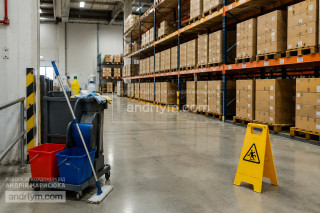
- Ołtarzew
- Mon - Fri, 8 hours/day
- Accommodation not provided
- Free Vacancy
The warehouse specializes in storing, picking, and preparing books
Cosmetics Warehouse Worker
5000 – 8000 PLN
- USD ≈ 1415 - 2263
- EUR ≈ 29167 - 46667
- CZK ≈ 33654 - 53846
- UAH ≈ 61250 - 98000
32.50 - 33.50
PLN / hr
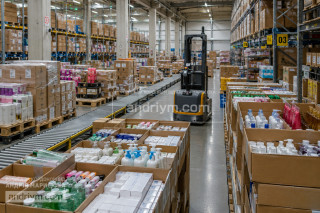
- Pyskowice
- Flexible shift schedule, 8–10 hours per day
- 660 PLN/month
- Free Vacancy
The warehouse stores cosmetics, household chemicals, household goods, food products, and other consumer goods.
Electronics Warehouse Worker
7500 – 8700 PLN
- USD ≈ 2122 - 2461
- EUR ≈ 43750 - 50750
- CZK ≈ 50481 - 58558
- UAH ≈ 91875 - 106575
31.60
PLN / hr
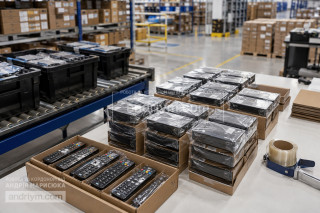
- Ołtarzew
- Mon – Fri, 12 hours per day
- 500 zł/month
- Free Vacancy
The warehouse handles the storage, order picking, testing, and preparation of electronics for shipment
Clothing and Home Goods Warehouse Worker
5300 – 7100 PLN
- USD ≈ 1499 - 2009
- EUR ≈ 30917 - 41417
- CZK ≈ 35673 - 47788
- UAH ≈ 64925 - 86975
22.6 - 23.8
PLN / hr

- Rawa Mazowiecka
- Mon-Fri, 8 hours/day
- Free of charge
- Free Vacancy
The company specializes in the storage, order picking, and distribution of clothing, home goods, and other products.
Furniture packaging worker
4784 – 7025 PLN
- USD ≈ 1353 - 1987
- EUR ≈ 27907 - 40979
- CZK ≈ 32200 - 47284
- UAH ≈ 58604 - 86056
26 - 31.40
PLN / hr

- Brodnica Górna
- Mon–Sat, 8–12 hours/day
- 500 PLN/month
- Free Vacancy
The company specializes in the production of premium furniture, including sofas, armchairs, and tables.
Cosmetic products packaging worker
4200 – 5700 PLN
- USD ≈ 1188 - 1613
- EUR ≈ 24500 - 33250
- CZK ≈ 28269 - 38365
- UAH ≈ 51450 - 69825
25.36 - 31.40
PLN / hr

- Radzymin
- Mon - Fri, 8 hours/day
- Not provided
- Free Vacancy
The company manufactures cosmetics and face, body, and hair care products
Books and Stationery Warehouse Worker
6600 – 8100 PLN
- USD ≈ 1867 - 2292
- EUR ≈ 38500 - 47250
- CZK ≈ 44423 - 54519
- UAH ≈ 80850 - 99225
25.60 - 31.40
PLN / hr
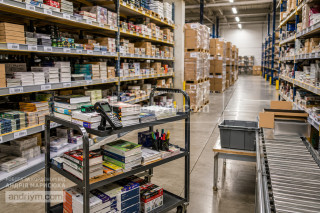
- Błonie
- Mon–Sat, 8 - 12 hours per day
- 650 zł/month
- Free Vacancy
The warehouse handles the storage, order picking, and preparation for shipment of books, educational materials, and stationery products
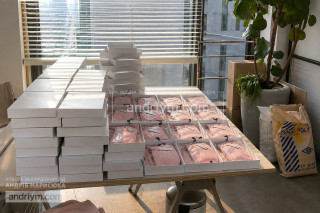
Clothing Warehouse Worker
4200 – 7800 PLN
- USD ≈ 1188 - 2207
- EUR ≈ 24500 - 45500
- CZK ≈ 28269 - 52500
- UAH ≈ 51450 - 95550
26.50 - 32.54
PLN / hr
- Konin Żagański
- Flexible schedule, 8–12 hours per day
- 650 PLN/month
- Free Vacancy
The warehouse specializes in receiving, storing, sorting, picking, and shipping goods for online stores.
Warehouse worker for food products
5000 – 8000 PLN
- USD ≈ 1415 - 2263
- EUR ≈ 29167 - 46667
- CZK ≈ 33654 - 53846
- UAH ≈ 61250 - 98000
24.18 - 31.40
PLN / hr

- Gródków
- Flexible work schedule, 8–12 hours per day
- 550 PLN/month
- Free Vacancy
The warehouse is responsible for receiving, storing, sorting, picking, and shipping food products.
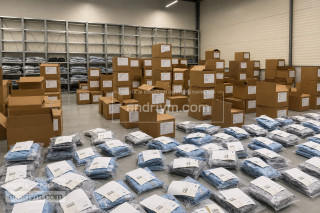
Warehouse Worker – Clothing and Cosmetics Warehouse
5000 – 8700 PLN
- USD ≈ 1415 - 2461
- EUR ≈ 29167 - 50750
- CZK ≈ 33654 - 58558
- UAH ≈ 61250 - 106575
25.36 - 31.40
PLN / hr
- Psary
- Flexible schedule, 8–12 hours per day
- 450 PLN/month
- Free Vacancy
The warehouse specializes in processing, picking, and packing branded clothing for retail stores and online orders.
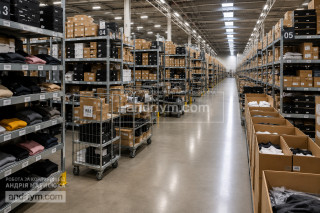
Warehouse worker for clothing and home goods
4250 – 6600 PLN
- USD ≈ 1202 - 1867
- EUR ≈ 24792 - 38500
- CZK ≈ 28606 - 44423
- UAH ≈ 52063 - 80850
25.10 - 33.90
PLN / hr
- Słubice
- Rotating work schedule, 8–10 hours per day
- 600 PLN/month
- Free Vacancy
The company specializes in the storage of branded clothing, footwear, accessories, cosmetics, dietary supplements, and health products.
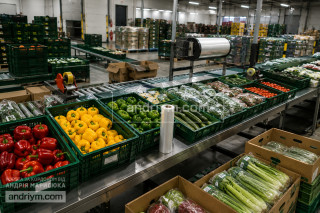
Fruit and Vegetable Warehouse Worker
7500 – 8400 PLN
- USD ≈ 2122 - 2376
- EUR ≈ 43750 - 49000
- CZK ≈ 50481 - 56538
- UAH ≈ 91875 - 102900
27 - 31.40
PLN / hr
- Żabia Wola
- Rotating shift pattern, 12 - 14 hours per day
- 750 zł/month
- Free Vacancy
A fruit and vegetable warehouse where fresh produce is sorted, quality-checked, packed, and prepared for shipment
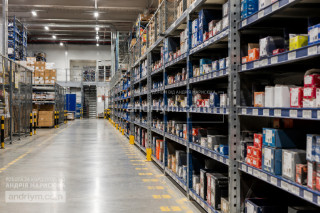
Auto Parts Warehouse Worker
4900 – 8700 PLN
- USD ≈ 1386 - 2461
- EUR ≈ 28583 - 50750
- CZK ≈ 32981 - 58558
- UAH ≈ 60025 - 106575
27 - 33.04
PLN / hr
- Sosnowiec
- Mon–Sat, 8–10 hours per day
- 550 PLN/month
- Free Vacancy
Warehouse of automotive spare parts, components, and accessories for passenger cars and trucks.
Warehouse Worker (Automotive Parts Warehouse)
4000 – 10000 PLN
- USD ≈ 1132 - 2829
- EUR ≈ 23333 - 58333
- CZK ≈ 26923 - 67308
- UAH ≈ 49000 - 122500
22.68 - 31.40
PLN / hr
- SwobodniaNowy Dwór Mazowiecki
- Monday–Saturday, 10–12 hours per day
- 650 PLN/month
- Free Vacancy
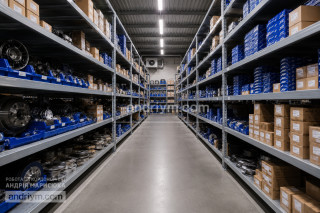
The company specializes in the storage, sorting, picking, and distribution of automotive parts for various brands and customers across Europe.
Clothing Warehouse Worker for an Online Store
4500 – 8300 PLN
- USD ≈ 1273 - 2348
- EUR ≈ 26250 - 48417
- CZK ≈ 30288 - 55865
- UAH ≈ 55125 - 101675
25.36 - 31.40
PLN / hr
- Świebodzin
- Mon – Sat, 8–10–12 hours per day
- 720 PLN/month
- Free Vacancy
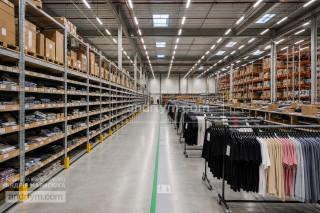
The warehouse is responsible for processing, sorting, packing, and shipping clothing and accessories for an online store.
Clothing Warehouse Worker
5490 – 9000 PLN
- USD ≈ 1553 - 2546
- EUR ≈ 32025 - 52500
- CZK ≈ 36952 - 60577
- UAH ≈ 67253 - 110250
31.4
PLN / hr
- Osła
- Mon – Sat, 10 hours per day
- 600 PLN/month
- Free Vacancy
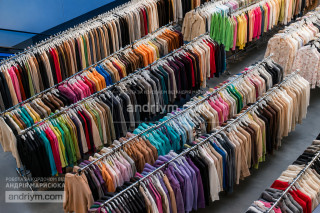
The warehouse is responsible for receiving, sorting, assembling, and preparing clothing and accessories for further shipment to stores and customers.
Internet store warehouse worker
5000 – 6700 PLN
- USD ≈ 1415 - 1895
- EUR ≈ 29167 - 39083
- CZK ≈ 33654 - 45096
- UAH ≈ 61250 - 82075
24,18 - 31,40
PLN / hr
- Tarnowo Podgórne
- Floating work schedule, 8 - 12 hours/day
- 620 zł/month
- Free Vacancy
Warehouse of goods for online stores of various clothing brands
Worker for vegetable packaging
4600 – 5900 PLN
- USD ≈ 1301 - 1669
- EUR ≈ 26833 - 34417
- CZK ≈ 30962 - 39712
- UAH ≈ 56350 - 72275
24.47 - 31.40
PLN / hr

- Legnica
- Flexible schedule, 10 hours/day
- 800 zł/month
- Free Vacancy
A company specializing in packaging fresh vegetables
Warehouse worker for clothing
5500 – 7000 PLN
- USD ≈ 1556 - 1980
- EUR ≈ 32083 - 40833
- CZK ≈ 37019 - 47115
- UAH ≈ 67375 - 85750
31,40
PLN / hr

- Przyłęki
- Flexible schedule, 10 - 12 hours/day
- 500 zł/month
- Free Vacancy
Polish company specializing in retail clothing trade
Frequently Asked Questions
The required documents depend on the country, the applicant's citizenship, profession, and legal basis for residence. In most cases, working abroad requires a valid passport, proof of legal stay, a work permit or another legal basis for employment, and an employment contract. Some professions may also require diplomas, certificates, or medical documents. Before travelling, confirm the requirements for your specific job offer and check that all documents remain valid. Do not agree to work without official documentation, as legal employment protects your rights to fair pay, rest periods, insurance, and safe working conditions.
Ask for the employer's full legal name, address, registration details, job description, and a draft of the employment contract. Compare the information in the job offer with the contract, including the hourly or monthly pay, working hours, bonuses, accommodation, transportation, and all possible deductions. Check the company's website, independent reviews, and contact details, but remember that reviews alone are not a substitute for official documents. Be cautious if you are promised unusually high earnings with no requirements, pressured to make immediate payments, or refused information about the employer. A trustworthy job offer provides clear conditions and allows you to receive written confirmation before making a decision.
Before travelling, check your passport, documents required for legal residence and employment, your contract, accommodation address, and the contact details of the responsible coordinator. Make both digital and printed copies of your documents, arrange the necessary insurance, and prepare a financial reserve for the first few weeks. Find out your travel route, accommodation check-in rules, transportation costs, work clothing requirements, and the date of your first shift in advance. Share your accommodation address and employer's contact details with your family or trusted contacts. Good preparation reduces the risk of unexpected expenses and helps you start working in a new country with confidence.
Warehouse jobs in Poland in 2026: positions, pay, contracts and working conditions
What jobs are available in warehouses in Poland
The term “warehouse job” covers a range of different roles, so before applying it is important to check the actual duties. A magazynier may receive, store, record and issue goods. A picker or komisjoner prepares orders using a list, scanner data or voice instructions. A pakowacz checks and packs products and prepares them for dispatch. A sortownik sorts goods or parcels by destination, category or order number.
In the przyjęcie area, workers receive deliveries, verify quantities and labels, scan goods and transfer them into storage. In wysyłka, they check completed orders, prepare shipments, palletise goods and get them ready for loading. Duties may also include placing boxes on shelving, wrapping pallets with stretch film, applying labels, handling returns and keeping the work area organised.
Warehouse equipment operator is a separate type of role. Requirements depend on the equipment involved: not every electric warehouse vehicle requires the same type of qualification. Certain powered lifting trucks require formally recognised qualifications. Current categories and requirements should be checked directly with the Urząd Dozoru Technicznego (UDT) rather than relying only on the job title used in an advert.
How scanners, WMS, voice picking and order picking work
In a modern warehouse, many operations are recorded in a warehouse management system, or WMS. A worker may be issued a handheld terminal or scanner showing the storage location, product code, number of units and the destination for the completed order. After the barcode is scanned, the system confirms the operation and assigns the next task.
With voice picking, the worker uses a headset: the system gives spoken instructions about the picking location and quantity, while completion is confirmed by voice command or a control code. Other warehouses may use pick-to-light systems, electronic displays or traditional picking lists. Before work starts, the employer should explain how the system is used, how quality is assessed and what safety rules apply.
Palletising means building a stable load on a pallet while taking account of the weight, size and characteristics of the goods. Workers may be required to stack boxes, secure loads with stretch film, apply labels and move pallets using equipment they are authorised to operate.
Requirements for warehouse workers
There is no single set of requirements that applies to every warehouse. They depend on the role, the goods being handled, the technology used and the occupational risk assessment. Employers may require workers to spend long periods standing or walking, perform repetitive tasks, use a scanner, maintain the required picking pace, work shifts and follow instructions accurately.
For employment under an umowa o pracę, a worker who is subject to a pre-employment medical examination is referred by the employer, with the position and working conditions specified; the examination is paid for by the employer. Detailed rules are explained by the Państwowa Inspekcja Pracy.
For people working under a civil-law arrangement, BHP obligations and medical examinations should be considered separately. Under Article 304 of the Kodeks pracy, an employer, as well as an entrepreneur organising work who is not an employer within the meaning of labour law, must ensure safe and hygienic working conditions for people working on a basis other than an employment relationship when they perform work on company premises or at a location designated by the organiser. Providing proper BHP conditions in such circumstances is therefore not merely an optional contractual matter. Guidance is available from the Państwowa Inspekcja Pracy.
The need for a medical examination under an umowa zlecenie is assessed separately according to the nature of the work and the level of risk. If hazards, the possibility of an accident, harmful factors or physically demanding conditions justify allowing only a person with an appropriate state of health to perform the work, the contracting party may require an examination. Medical examinations, BHP training, protective equipment and responsibility for related costs should be clearly addressed in the contract; detailed guidance on medical examinations for civil-law contracts is published by PIP.
Sanitary and epidemiological requirements should not automatically be applied to every warehouse position. They may be relevant where the nature of the work creates specific hygiene risks, including some jobs involving food products. The actual requirement should be checked for the particular position rather than assuming that every warehouse job requires a specific “sanitary booklet”.
Do you need to speak Polish
Some warehouse jobs are open to people with only basic Polish, and some employers organise training in a language the worker can understand. However, a claim that “no Polish is needed at all” may conceal a practical problem: workers still need to understand instructions, hazard warnings, traffic routes, supervisors’ directions and equipment rules.
For basic packing or order picking, limited vocabulary and the ability to use a scanner may sometimes be enough. Polish is usually more important in receiving, dispatch, paperwork, handling unusual situations or coordinating other workers. For equipment operators, understanding safety instructions correctly is especially important.
Pay, allowances and paid working time in 2026
From 1 January 2026, the minimum wage for a full-time worker employed under an umowa o pracę is PLN 4,806 gross per month. For civil-law contracts covered by the statutory minimum hourly rate, the minimum is PLN 31.40 gross per hour. Official rates can be checked on the gov.pl minimum wage page and in materials published by the Państwowa Inspekcja Pracy.
The figure of PLN 4,806 does not necessarily mean that the basic salary, or wynagrodzenie zasadnicze, must itself equal PLN 4,806. When compliance with the minimum wage is assessed, certain components of remuneration and other qualifying payments defined by law may be included, such as some bonuses and awards. However, among other exclusions, overtime pay and the statutory night-work allowance are not counted towards the minimum wage. For that reason, a warehouse job offer should be checked separately for the basic salary, guaranteed components, bonus rules, night allowances and overtime pay. The relevant components are explained on gov.pl in its section on remuneration for work.
Gross pay is the amount before statutory contributions and taxes, while net pay is the amount actually received after the relevant deductions and calculations. Net pay should not be estimated by simply subtracting a fixed percentage, because the result depends on the type of contract, social insurance, the worker’s tax situation, applicable reliefs and other individual circumstances. A job advert should therefore make clear whether a quoted rate is gross or net.
A single nationwide “market pay range for warehouse jobs” would be methodologically weak, so the examples below use only specific, verifiable job adverts with fixed URLs. A previously recorded example for a warehouse worker in Łódź offering PLN 5,100–5,900 gross per month is not included because a stable direct URL to that specific advert could not be confirmed. This limitation matters: the figures below are examples from individual vacancies on specific dates, not an average or guaranteed rate for an occupation or for Poland as a whole.
For work similar to picker/komisjoner duties, the verified sample contains three specific adverts. In Łódź, Widzew, SKAMEX S.A. advertised “Magazynier / Magazynierka - praca przy kompletacji i pakowaniu zamówień” on 29 July 2026 at PLN 5,400–5,840 gross per month; direct advert: Pracuj.pl — SKAMEX S.A., Łódź. In Błonie, Lidl’s “Pracownik / Pracowniczka Magazynu - Kompletacja Towaru” advert, recorded on 30 July 2026, listed PLN 6,300–7,000 gross per month; direct advert: Pracuj.pl — Lidl, Błonie. For evening and night order picking at Lidl in Błonie, the snapshot on 30 July 2026 listed PLN 7,000–7,700 gross per month; identified advert page: Pracuj.pl — Lidl, Błonie, evening and night shifts. These three offers differ by employer, shift pattern and working conditions, so they should not be treated as an average picker/komisjoner salary.
For an operator wózka widłowego, a verified example is the LIDE sp. z o.o. vacancy “Operator wózka widłowego - Magazynier z UDT (K/M)” in Nowy Dwór Mazowiecki, published on 29 July 2026. It listed PLN 6,100–7,200 gross per month under an umowa o pracę, included scanner work and required UDT qualifications. Direct advert: Pracuj.pl — LIDE sp. z o.o., Nowy Dwór Mazowiecki. This is one specific example from the Mazowieckie region, not an average or universal rate for forklift operators in Poland; actual pay depends, among other things, on the type of equipment, UDT qualifications, shift pattern, bonuses, scope of duties and the local labour market.
When comparing offers, look not only at the stated rate but also at the guaranteed number of paid hours. A job with a high hourly rate may produce a lower monthly income if few shifts are available. Likewise, a monthly figure calculated on the basis of substantial extra hours is not the same as a guaranteed basic salary.
Under an umowa o pracę, overtime and night-work pay are governed by labour law. Workers are entitled to the statutory night-work allowance for qualifying night hours. Overtime also has separate compensation rules: depending on the circumstances, compensation may take the form of an additional payment or time off. It is therefore too simplistic to claim that every shift worked on a day off is automatically paid at “double rate”.
If a vacancy mentions downtime, check when it is paid and on what legal basis. Under an umowa o pracę, the law contains separate rules on remuneration for downtime where the worker was ready to work but could not perform the job for reasons attributable to the employer.
A piece-rate system means that part of the remuneration may depend on output, such as the number of picked items, boxes or other units. It does not remove statutory minimum-pay protections where those protections apply to the particular type of contract. Productivity, quality or attendance bonuses should be distinguished from guaranteed pay, and the conditions for earning or losing a bonus should be clear before work begins.
Before signing a contract, also clarify every possible deduction, including accommodation, transport, meals, advances or other services. A recruiter mentioning a cost does not itself create a lawful basis for deducting it from pay. Workers should receive clear information about who is charging them, how much is being charged and what the charge is for.
Umowa o pracę or umowa zlecenie
An umowa o pracę creates an employment relationship and provides the protections of the Labour Code, including working-time rules, paid annual leave, overtime and night-work rules, the minimum wage, occupational health and safety protections and other employee rights. If the real working arrangement has the characteristics of an employment relationship, the title of the document should not be used to circumvent labour law.
An umowa zlecenie is a civil-law contract and is regulated differently. Contracts covered by the minimum hourly-rate rules are subject in 2026 to a minimum of PLN 31.40 gross per hour and requirements concerning the recording of hours worked. Standard employment protections concerning paid leave, overtime or working-time arrangements do not arise automatically simply because a person regularly reports to a warehouse.
Do not choose a contract solely on the basis of the amount “in hand”. Compare guaranteed pay, insurance, hours, rest arrangements, termination rules, liability, sickness-related benefits and other terms. Basic information about workers’ rights is published by the Państwowa Inspekcja Pracy.
Work schedules: 8, 10 or 12-hour shifts
For employees under an umowa o pracę, the basic Labour Code standards are 8 hours per day and an average of 40 hours per week in an average five-day working week within the applicable reference period. Including overtime, total working time should, as a general rule, not exceed an average of 48 hours per week over the relevant reference period. Official guidance is available in the PIP section on working time.
A 10 or 12-hour shift is not automatically the “standard” for warehouse work. Longer shifts may be lawful under an appropriate working-time system and schedule, provided the relevant rules on reference periods, rest and compensation are followed. It is therefore important to ask not only “how long is the shift?” but also which working-time system applies, how many shifts are scheduled and how additional hours are recorded.
Shift work is common in warehouses, including night work. Before signing a contract, obtain information about shift start and end times, breaks, rotation between day and night shifts, weekend work and how schedules are communicated.
Warehouse safety: BHP, PPE, loads, cold and equipment
Warehouses combine pedestrian movement with forklifts, pallet trucks and moving loads, so compliance with BHP rules is part of the job rather than a formality. Workers need to understand pedestrian routes, rules for crossing vehicle zones, hazard signals, the location of emergency exits and what to do in the event of an incident.
Personal protective equipment, or PPE, known in Polish as ŚOI, may be required. Depending on the risk assessment, this can include safety footwear, gloves, high-visibility clothing, cold-protection clothing or other equipment. The necessary protection depends on the specific role; there is no single standard kit for every warehouse. Information on occupational safety obligations is published by the Państwowa Inspekcja Pracy.
The duty to provide safe and hygienic working conditions is not limited to traditional employment relationships. If an individual performs work on another legal basis, including a civil-law contract, on company premises or at a location designated by an employer or entrepreneur, the organiser of the work must comply with the safety obligations arising under Article 304 of the Kodeks pracy. Whether a particular zleceniobiorca requires a medical examination is a separate question that should be assessed according to the type of work and the degree of occupational risk.
Workers should not operate equipment without authorisation, stand beneath a raised load or take shortcuts through forklift traffic zones. If induction is effectively absent, equipment is defective or workers are routinely pressured to ignore safety rules in order to work faster, this is a serious warning sign.
Warehouse work may include lifting, carrying, pushing or moving loads. Acceptable physical load depends not only on the weight of a box but also on the frequency of the task, body position, distance, method of handling and other conditions. It is not sensible to rely on a single “maximum weight” quoted in an advert without considering the actual working situation. Official materials on ergonomics and manual handling are available from the Centralny Instytut Ochrony Pracy – PIB.
A chilled or frozen warehouse presents different risks from a clothing or electronics warehouse, including low temperatures, temperature changes, slippery surfaces and the need for suitable clothing and properly organised breaks. A vacancy should be checked for the actual temperature in the work area, how long workers remain there, what protective clothing is provided and whether there is a suitable place to restore thermal comfort.
Food warehouses may also involve additional hygiene procedures, temperature-control requirements, separation of products and rules for handling food. The phrase “food warehouse” alone does not determine a specific medical document or identical working conditions for every employee.
Working as a forklift operator and UDT qualifications
A job advert for an “operator wózka widłowego” should be read together with the exact description of the equipment. Warehouses use different types of vehicles and trucks, including manual and electric pallet trucks, lifting trucks, reach trucks and other equipment. Authorisation requirements vary depending on the design and operation of the equipment.
For certain categories of mechanically powered lifting trucks, formal qualifications are required under the applicable technical supervision rules. It is incorrect to assume that “UDT is required for every warehouse truck”, but it is equally incorrect to assume that internal training is always sufficient. The relevant equipment category and required documentation can be checked on the official UDT website.
Even holding the required qualification does not remove the need to be familiarised with the specific equipment model, internal traffic arrangements and warehouse rules. Operators should know the permitted load, lifting height, condition of travel routes and correct procedures for safe parking.
Accommodation, transport and meals
Accommodation is not automatically included with every lawful warehouse job. An employer or agency may offer a hostel, room, transport to the workplace or meals, but the conditions of these services should be known before arrival.
Ask for the address, or at least the town or locality, in writing, together with the price, number of people per room, deposit, utility costs, rules for refunding the deposit and arrangements for moving out after the job ends. For transport, important details include the cost, route, departure times, whether night shifts are covered and what happens if the company bus is missed. For meals, check whether they are free, partly subsidised by the employer or fully deducted from earnings.
Claims of “free accommodation” or “free transport” should be checked against the contract and other written conditions. If costs are later deducted from pay, the worker should understand the legal basis, amount and method of calculation.
Foreign workers: lawful stay and the right to work
Before starting a job, a foreign worker should separately verify both lawful stay in Poland and the right to perform work. These issues are related but are not always identical: having a lawful basis to stay in the country does not in every case automatically mean that the person may work without further formalities.
The correct work-authorisation procedure depends on the individual’s legal status, basis of stay, intended type of work and any applicable exemptions. Depending on the circumstances, a permit, declaration, notification or another statutory procedure may be required, while in other cases an exemption may apply. Rules that apply to one legal status should therefore not be assumed to apply to all foreign workers.
If the employer, contract type, position, type of work, working time, remuneration or other material employment conditions change after work has begun, check whether the existing legal basis remains valid. Depending on the individual basis for work authorisation, a change may require a new procedure, new document or notification to the competent authority. Current rules should be checked in official sources, including ELI, praca.gov.pl and gov.pl.
An individual’s legal position can depend on the documents held, the basis and duration of lawful stay and any previous changes of status. Before starting a new job, changing employer or materially changing contract terms, the worker should therefore verify the rules applicable to their own situation rather than relying solely on a job advert or verbal assurances from a recruiter.
How to check an employer, agency, vacancy and contract
Before sending documents or travelling for work, verify the full legal name of the entity, its address, NIP, REGON and, where applicable, KRS or CEIDG entry. Business data can be checked in official government registers, including the government business search service. The names and details shown in the advert, contract and payment documents should relate to entities that are clear to you.
If the job is offered by an employment agency, check it in the Krajowy Rejestr Agencji Zatrudnienia (KRAZ). Registration alone does not guarantee the quality of a particular vacancy, but the absence of a required registration where the activity is subject to registration is a reason not to proceed without further verification.
Typical red flags include refusal to identify the legal employer, a demand to leave an original passport “for safekeeping”, withholding the type of contract until arrival, promising one rate and later reducing it without a clear basis, large cash payments without documentation, unexplained penalties, pressure to operate dangerous equipment without proper authorisation or explanation, and pressure to sign an unclear document immediately.
If actual working conditions under an umowa o pracę do not match the contract, wages are not paid or occupational safety rules are breached, information about rights and available complaint procedures can be obtained from the Państwowa Inspekcja Pracy.
The contract, or documents supplementing it, should clearly identify the parties, type of legal relationship, place of work or the rules for determining it, position or scope of duties, start date, amount of remuneration and method of calculation. If the advert quoted an hourly rate, check whether it is stated as gross or net and whether it matches the document you are asked to sign.
Also check the rules for recording hours, the schedule, night work, bonuses, piece-rate components, possible deductions, payment dates and methods, termination conditions, liability for property and the procedure for reporting absence. Do not sign blank forms or documents with empty pay fields.
If accommodation, transport or another service is provided by a company other than the employer, clarify exactly which entity you are entering into that arrangement with. A recruiter’s verbal promise should not be the only source of information about costs that may materially reduce actual take-home income.
Checklist before travelling and before your first day
Before accepting a vacancy, check the employer using NIP, REGON and other available registration data, and check an employment agency in KRAZ. Obtain the contract or a draft and read it before starting work. Verify the position, gross rate, method of counting hours, schedule, workplace, bonus rules and all possible deductions.
Clarify who pays for accommodation, transport, work clothing and any required services; the actual temperature at the workplace; whether night shifts are required; the physical demands of the job; whether loads must be moved manually; what equipment is used; and what qualifications are required. If the job involves a forklift, verify the relevant category on the UDT website.
Before being admitted to work, complete the procedures required for your form of engagement and position, and familiarise yourself with BHP rules, pedestrian and vehicle routes, evacuation procedures, workplace risks and required PPE. Under a civil-law contract, do not treat BHP as an optional formality: where work is organised on company premises or at a location designated by the organiser, the law imposes duties on the relevant entity to provide safe and hygienic conditions. The need for a medical examination under such a contract should be assessed separately according to the type of work and the risks involved. Do not begin operating equipment that has not been explained to you or for which you do not have the required authorisation.
Foreign workers should additionally verify the legality of their stay and the correct work-authorisation procedure as of the actual employment date. If the employer, contract, position, type of work, working time, remuneration or other material terms change, check separately whether a new procedure, document or notification is required under the relevant legal basis. Before making important decisions, verify the current rules in ELI, on gov.pl, praca.gov.pl, PIP and, for warehouse equipment, on the UDT website.
