
 eng
eng
 укр
укр
 рус
рус
A safe job search abroad starts with checking the employer or recruitment agency. A job offer should clearly state the country and city, company name, job responsibilities, work schedule, pay, type of employment contract, accommodation conditions, and any possible payroll deductions. Never transfer money to the personal bank accounts of strangers or hand over your original passport to third parties. Before leaving, obtain the employment terms in writing, verify the company's contact details, and keep copies of all documents. A reliable job abroad means legal employment, a clear contract, and the opportunity to ask the employer all important questions before your trip.
Factory and manufacturing jobs in Poland in 2026 include positions on production lines, in assembly, packaging, quality control, warehousing and maintenance. Before signing any documents, check the gross pay rate, type of contract, work schedule, accommodation terms and actual duties. In 2026, the minimum wage for full-time employment under an umowa o pracę is PLN 4,806 gross per month, while the minimum hourly rate for civil-law contracts covered by the relevant statutory provisions is PLN 31.40 gross per hour. Read More
Confectionery Factory Worker
4900 – 7100 PLN
- USD ≈ 1386 - 2009
- EUR ≈ 28583 - 41417
- CZK ≈ 32981 - 47788
- UAH ≈ 60025 - 86975
22.68 - 31.40
PLN / hr

- Dobre Miasto
- Rotating work schedule, 12 hours per day
- 700 zł/month
- Free Vacancy
The company manufactures confectionery products, including cookies, chocolate candies and dragees, jelly candies, as well as chocolate-covered nuts and dried fruits.
Waffle and Sweets Production Worker
5200 – 7900 PLN
- USD ≈ 1471 - 2235
- EUR ≈ 30333 - 46083
- CZK ≈ 35000 - 53173
- UAH ≈ 63700 - 96775
31.40
PLN / hr
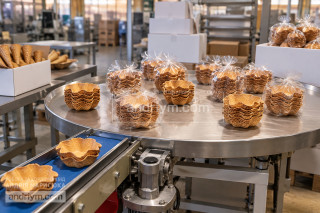
- Lubsko
- Mon – Fri, 8 hours per day
- 900 zł/month
- Free Vacancy
The company specializes in the production of wafer products: plain and filled wafers, wafer rolls, chocolate-covered wafers, as well as cones, cups, and wafer shells for ice cream.
Nuts and Dried Fruits Packing Worker
6300 – 8300 PLN
- USD ≈ 1782 - 2348
- EUR ≈ 36750 - 48417
- CZK ≈ 42404 - 55865
- UAH ≈ 77175 - 101675
25.36 - 31.40
PLN / hr
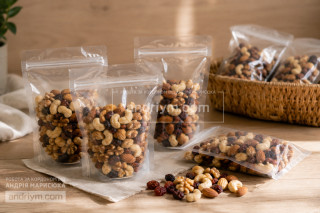
- Brochów
- Rotating shift pattern, 12 hours per day
- 600 zł/month
- Free Vacancy
The company specializes in the production and packaging of nuts, dried fruits, seeds, snacks, and other grocery products.
Sweets Production Worker
4800 – 7600 PLN
- USD ≈ 1358 - 2150
- EUR ≈ 28000 - 44333
- CZK ≈ 32308 - 51154
- UAH ≈ 58800 - 93100
26 - 31.40
PLN / hr

- Bełchatów
- Flexible work schedule, 8–12 hours/day
- 650 zł/month
- Free Vacancy
A company specializing in the production of various confectionery products and sweets.
Worker for packing ready-made meals
4100 – 5100 PLN
- USD ≈ 1160 - 1443
- EUR ≈ 23917 - 29750
- CZK ≈ 27596 - 34327
- UAH ≈ 50225 - 62475
25.36 - 31.40
PLN / hr

- Białystok
- Flexible shift schedule, 8–10 hours/day
- 700 zł/month
- Free Vacancy
The company specializes in preparing and packaging ready-made dishes and complete meals.
Snack Production Worker
6000 – 8000 PLN
- USD ≈ 1697 - 2263
- EUR ≈ 35000 - 46667
- CZK ≈ 40385 - 53846
- UAH ≈ 73500 - 98000
25.30 - 31.40
PLN / hr

- Psary
- Mon–Fri, 12 hours/day
- 500–550 zł/month
- Free Vacancy
The company specializes in the production of corn puffs, snacks, and confectionery products.
Home Appliance Components Production Worker
4500 – 6200 PLN
- USD ≈ 1273 - 1754
- EUR ≈ 26250 - 36167
- CZK ≈ 30288 - 41731
- UAH ≈ 55125 - 75950
22.68 - 31.40
PLN / hr
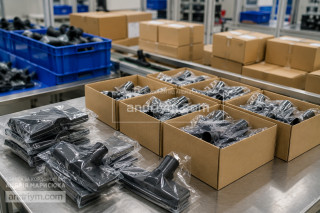
- Jaszkowa Dolna
- Mon – Sat, 8 hours per day
- 550 zł/month
- Free Vacancy
The company manufactures and assembles vacuum cleaner components, including nozzles, turbo brushes, electric brushes, and other accessories.
Work at a Coffee Production Facility
7500 – 7800 PLN
- USD ≈ 2122 - 2207
- EUR ≈ 43750 - 45500
- CZK ≈ 50481 - 52500
- UAH ≈ 91875 - 95550
31.40 - 32.50
PLN / hr

- Żory
- Monday–Friday, 12 hours per day
- 680 PLN/month
- Free Vacancy
The company specializes in the production and packaging of instant coffee and coffee beverages.
Construction Tools Production Worker
4400 – 6800 PLN
- USD ≈ 1245 - 1924
- EUR ≈ 25667 - 39667
- CZK ≈ 29615 - 45769
- UAH ≈ 53900 - 83300
22.68 - 31.40
PLN / hr
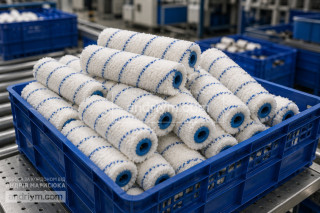
- Goleszów
- Mon – Sat, 8 hours per day
- 550 zł/month
- Free Vacancy
The company manufactures hand tools for plastering and painting work.
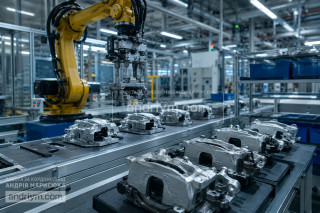
Automotive Parts Production Worker
5100 – 7000 PLN
- USD ≈ 1443 - 1980
- EUR ≈ 29750 - 40833
- CZK ≈ 34327 - 47115
- UAH ≈ 62475 - 85750
30.57
PLN / hr
- Wrocław
- Mon–Fri, 8 hours/day
- 700 zł/month
- Free Vacancy
The company manufactures automotive parts.
Work at a Chocolate-Covered Fruit Production Facility
7400 – 9700 PLN
- USD ≈ 2094 - 2744
- EUR ≈ 43167 - 56583
- CZK ≈ 49808 - 65288
- UAH ≈ 90650 - 118825
24 - 31.40
PLN / hr

- Rogoźnica-Kolonia
- Mon-Sat, 12 hours/day
- 500-600 zł/month
- Free Vacancy
The company produces confectionery products, particularly chocolate-covered fruits.
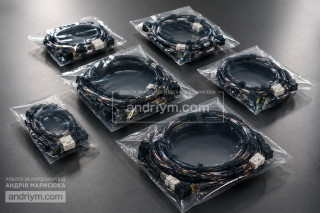
Cable Wiring Production Worker
5300 – 7600 PLN
- USD ≈ 1499 - 2150
- EUR ≈ 30917 - 44333
- CZK ≈ 35673 - 51154
- UAH ≈ 64925 - 93100
22.36 - 31.40
PLN / hr
- Starachowice
- Mon–Fri, 8–12 hours/day
- 400 zł/month
- Free Vacancy
The company manufactures automotive components, including electrical wiring and cable systems for vehicles.
Sweets Production Worker
4800 – 7300 PLN
- USD ≈ 1358 - 2065
- EUR ≈ 28000 - 42583
- CZK ≈ 32308 - 49135
- UAH ≈ 58800 - 89425
27.50 - 31.40
PLN / hr

- Racibórz
- Mon–Fri, 8 hours/day
- 600 PLN/month
- Free Vacancy
The company specializes in the production of confectionery products, particularly chocolates and pralines.
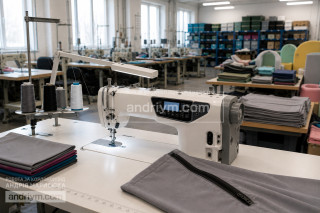
Seamstress in School and Kindergarten Products Manufacturing
5000 – 6200 PLN
- USD ≈ 1415 - 1754
- EUR ≈ 29167 - 36167
- CZK ≈ 33654 - 41731
- UAH ≈ 61250 - 75950
25 - 31.40
PLN / hr
- Konstantynów Łódzki
- Mon - Fri, 8 - 10 hours/day
- 550 zł/month
- Free Vacancy
A company specializing in the production of furniture, educational materials, toys, and other equipment for schools and kindergartens.
Sweets Production Worker
5400 – 9100 PLN
- USD ≈ 1528 - 2574
- EUR ≈ 31500 - 53083
- CZK ≈ 36346 - 61250
- UAH ≈ 66150 - 111475
25 - 31.40
PLN / hr

- Kuranów
- Mon-Sat, 12 hours/day
- 650 zł/month
- Free Vacancy
The company produces confectionery products, including wafers, wafer rolls, chocolate candies, pralines, and various sweet snacks.
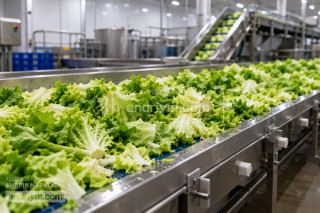
Salad Production Worker
5100 – 8100 PLN
- USD ≈ 1443 - 2292
- EUR ≈ 29750 - 47250
- CZK ≈ 34327 - 54519
- UAH ≈ 62475 - 99225
23 - 31.40
PLN / hr
- Niepruszewo
- Rotating work schedule, 10 hours per day
- 450 - 800 zł/month
- Free Vacancy
The company produces fresh vegetables, salad mixes, cut vegetables, and ready-to-eat vegetable dishes.
Production Worker at a Gluten-Free Food Manufacturing Facility
4300 – 5600 PLN
- USD ≈ 1217 - 1584
- EUR ≈ 25083 - 32667
- CZK ≈ 28942 - 37692
- UAH ≈ 52675 - 68600
25.84 - 32
PLN / hr

- Siemianowice Śląskie
- Mon – Fri, 8 hours per day
- 650 zł/month
- Free Vacancy
The company specializes in the production of gluten-free bakery products, pasta, flour mixes, and other foods for special dietary needs.
Dried Fruit Packing Worker
7000 – 8100 PLN
- USD ≈ 1980 - 2292
- EUR ≈ 40833 - 47250
- CZK ≈ 47115 - 54519
- UAH ≈ 85750 - 99225
27 - 31.50
PLN / hr

- Dobre Miasto
- Rotating shift pattern, 9 - 12 hours per day
- 750 zł/month
- Free Vacancy
The company specializes in the production of dried vegetables, fruits, herbs, and food ingredients.
Crab Stick Production Worker
4300 – 8300 PLN
- USD ≈ 1217 - 2348
- EUR ≈ 25083 - 48417
- CZK ≈ 28942 - 55865
- UAH ≈ 52675 - 101675
26 - 32.04
PLN / hr

- Łozienica
- Monday–Friday, 8–13 hours/day
- 500 PLN/month
- Free Vacancy
The company specializes in the production of imitation seafood made from surimi fish paste, as well as vegan alternatives.
Candle Production Worker
6500 – 10000 PLN
- USD ≈ 1839 - 2829
- EUR ≈ 37917 - 58333
- CZK ≈ 43750 - 67308
- UAH ≈ 79625 - 122500
31.40 - 32
PLN / hr

- Górki Wielkie
- Mon–Sat, 8–12 hours/day
- 600 PLN/month
- Free Vacancy
The company specializes in the production of candles, memorial candles (znicze), and paraffin inserts.
Frequently Asked Questions
The required documents depend on the country, the applicant's citizenship, profession, and legal basis for residence. In most cases, working abroad requires a valid passport, proof of legal stay, a work permit or another legal basis for employment, and an employment contract. Some professions may also require diplomas, certificates, or medical documents. Before travelling, confirm the requirements for your specific job offer and check that all documents remain valid. Do not agree to work without official documentation, as legal employment protects your rights to fair pay, rest periods, insurance, and safe working conditions.
Ask for the employer's full legal name, address, registration details, job description, and a draft of the employment contract. Compare the information in the job offer with the contract, including the hourly or monthly pay, working hours, bonuses, accommodation, transportation, and all possible deductions. Check the company's website, independent reviews, and contact details, but remember that reviews alone are not a substitute for official documents. Be cautious if you are promised unusually high earnings with no requirements, pressured to make immediate payments, or refused information about the employer. A trustworthy job offer provides clear conditions and allows you to receive written confirmation before making a decision.
Before travelling, check your passport, documents required for legal residence and employment, your contract, accommodation address, and the contact details of the responsible coordinator. Make both digital and printed copies of your documents, arrange the necessary insurance, and prepare a financial reserve for the first few weeks. Find out your travel route, accommodation check-in rules, transportation costs, work clothing requirements, and the date of your first shift in advance. Share your accommodation address and employer's contact details with your family or trusted contacts. Good preparation reduces the risk of unexpected expenses and helps you start working in a new country with confidence.
Reviews about the work
Доброго дня. Працюю в польському місті Бидгощ. Роботу вибрав більше як старт для подальшої реалізації планів, адже хочу залишитися жити в Польщі. Вашу компанію мені порадили друзі, і я дякую, що розказали правду про вакансію. Бо як їхав, то хоч знав на що і рожеві окуляри не одягав. Працювати не надто складно, збираю насоси. Хоча людям після якоїсь інтелектуальної праці буде, напевно, нелегко. Наших співвітчизників багато, і хочу зазначити, що ця фабрика навіть славиться своїми умовами праці, про що казали українці, які в Польщі були вже кілька разів.
Працював на фабриці з виготовлення меблів. У мене був досвід праці столяром в Україні і для мене дана робота не була в новинку. Але я мав побоювання на рахунок швидкості виробничих процесів на фабриці. Але мені не потрібно було цього боятися. Усі мої страхи перебив перший день на роботі. Я відразу вклинився в роботу. Найбільше мені подобалося в моїй роботі це те що була можливість працювати над нормово а також зарплата 16 злотих в годину при безкоштовному житлу. Рекомендую дану вакансію усім майстрам столярної справи.
Хочу поділитись досвідом роботи на виробництві яєчного порошку. Для мене це було в новинку. Але я справився з усіма покладеними на мене обов’язками. Рекомендую всім не боятися праці а працювати, бо добра праця добре винагороджується. Я зміг мати в місяць 4000 злотих що є досить непогано в нинішніх умовах.
Добрий день. Працювала на фабриці в м. Краків, загалом все сподобалося. Житлом забезпечують, умови хороші, в кімнатах не більше 2-4 людей (є кухня, ванна, пральна машина, посуд, мікрохвильова) Сімейні пари поселяють окремо. Працювала 5 днів в тиждень по 8 год, але була можливість працювати більше по 10 -12 год, та у суботу. Як тільки ми приїхали на місце призначення нас одразу зустріли, допомогли поселитися і освоїтися на місці.
Робота не складна не потребує особливих навиків та фізичної підготовки. Всім задоволена, планую приїхати сюди знову.
Робота не складна не потребує особливих навиків та фізичної підготовки. Всім задоволена, планую приїхати сюди знову.
Робили на фабриці, де виготовляли крабові палички в Кракові, робота є як в цеху з теплим режимом так і в холодному цеху. Спочатку працювали в холодному, одягом забезпечили. Також проходили медичний огляд, заплатили 150 злотих. Нічні і денні зміни. По 12 годин. потім перевели на лінію, де вже тепліше. Там робота трохи легша. І можна брати надгодини, аби здоров’я було і бажання. Зарплатня 12.7 злотих. Житло повністю безкоштовне.
Виробництво та складання комплектуючих до телевізорів. Проводять навчання. 14 днів. Ми збирали телевізори. Всі схеми надаються. Потрібно знати мову на середньому рівні. Ми вже мали досвід роботи, але на іншому заводі тому суть роботи знали. Зарплатня 17-20 злотих нетто. Житло 150 злотих в місяць аз комун послуги. Харчування один раз на день.
Factory and Manufacturing Jobs in Poland in 2026: Vacancies, Pay, Documents and Safety
Factory and manufacturing jobs in Poland are available to people with different levels of experience, from candidates without previous production qualifications to machine operators, mechanics and other technical specialists. However, the words “factory” or “manufacturing plant” in a job title reveal very little about the actual working conditions. Before accepting a job, check the specific position, duties, type of contract, gross pay rate, work schedule, place of work, accommodation arrangements and the legal basis for working in Poland.
Factory or manufacturing plant: what production jobs are available in Poland?
In everyday job searches, phrases such as “factory jobs in Poland” and “manufacturing jobs in Poland” often refer to the same general type of employment: work at a production facility. From a practical and legal perspective, the specific employer, position, type of contract and actual duties matter much more than whether the workplace is described as a factory or a plant.
Production vacancies can be found in the food, automotive, furniture, electrical, packaging, metalworking and other industries. Typical roles include production line worker, machine operator, assembler or fitter, packer, quality control worker, warehouse or internal logistics worker, and maintenance technician.
Job titles are not standardized across companies. For example, a “pracownik produkcji” may package finished products at one company but feed components into machinery and monitor the production process at another. For this reason, you should never rely on the job title alone.
Duties of production workers, packers and assemblers
A production line worker may supply raw materials or components, perform basic production tasks, monitor products moving along the line, separate items with visible defects and keep the workstation organized. A packer will typically assemble orders or product sets, package and label goods, and prepare products for further handling or shipment.
An assembler or fitter works with parts and components according to technical or production instructions. Duties may include manual assembly, use of approved tools, completeness checks or performing a defined operation at a production workstation. Quality control workers inspect products against specified criteria and record or report non-conformities.
Warehouse and internal logistics duties may include receiving components, order picking, scanning, moving materials and supplying production areas. Operating certain types of equipment, particularly equipment for which Polish regulations require relevant UDT qualifications, should not automatically be treated as an ordinary warehouse duty.
A machine operator may start authorized operating cycles, monitor parameters, feed materials and respond to machine signals within the scope of their training and operating instructions. Maintenance work may require professional training, experience and specific authorizations. Always read the actual job description: the same job title at two employers can involve very different tasks, risks and requirements.
Job requirements: experience, qualifications, Polish language and physical demands
Previous experience may not be required for some basic production tasks if the employer provides the necessary training. Operators of more complex machinery, electricians, mechanics, welders, maintenance specialists and workers in certain warehouse positions may need documented skills, vocational qualifications, permits or other relevant credentials.
The required level of Polish also depends on the job. For some positions, understanding basic instructions and commands may be sufficient. Others require workers to read technical documentation, complete records or communicate with a shift supervisor. Language comprehension is particularly important for safety because workers need to understand training, warnings and procedures for responding to hazardous situations.
Production work may involve prolonged standing, repetitive movements, walking, manual handling or working at a defined pace. However, the same physical, age or gender requirements should not be applied universally to all vacancies. Legitimate requirements should reflect the actual nature of the job and lawful employment criteria.
Factory pay in Poland in 2026: gross, net and minimum rates
From 1 January 2026, the minimum wage in Poland for a full-time employee working under an umowa o pracę is PLN 4,806 gross per month. The minimum hourly rate for civil-law contracts covered by the relevant minimum-rate provisions is PLN 31.40 gross per hour. The current minimum wage can be checked on the official government portal: gov.pl — minimum wage information.
Gross means the amount before applicable statutory contributions and tax, while net is the amount actually paid after the relevant deductions. There is no single net figure that can accurately represent take-home pay for every worker. It depends on the type of contract, insurance arrangements, tax circumstances and other individual factors.
For this reason, a promise such as “earn PLN 6,000 per month” provides insufficient information unless it specifies whether the amount is gross or net, how many hours are required and what components are included in the remuneration. When comparing vacancies, check the basic rate, guaranteed or planned amount of work, bonus rules, additional payments, time-recording method and any possible deductions.
If a piece-rate or bonus system applies, ask for the rules used to calculate remuneration and the conditions for earning bonuses. Housing, transport, meals or other services should not be hidden behind an attractive headline salary. Whether a particular deduction is lawful depends on its legal basis and circumstances, so all financial terms should be checked before work begins.
Umowa o pracę vs umowa zlecenie: what is the difference?
Umowa o pracę establishes an employment relationship covered by employment-law protections, including rules on working time, rest periods, paid annual leave and pay during sickness or applicable insurance benefits when the statutory conditions are met.
Umowa zlecenie is a civil-law contract and does not automatically provide the same set of rights as an umowa o pracę. Social and health insurance, contributions and entitlement to benefits depend on the individual circumstances and insurance status. The name of the contract is not decisive on its own: if the actual relationship has the characteristics of employment, its legal assessment depends on the real conditions under which the work is performed.
A contract with a foreign worker must be concluded in writing before the worker is admitted to work. If the worker does not understand Polish sufficiently to understand the document, they must be provided, before signing, with the written terms of the contract in a language they understand. After the contract is concluded, the worker should receive their own copy. Official guidance for foreign workers is available from the Polish National Labour Inspectorate.
8- or 12-hour shifts, night work, overtime and breaks
Statements such as “12-hour shifts” or “six days a week” should not be treated as universal rules for factories in Poland. Schedules depend on the working-time system, the employer’s shift pattern, the type of contract and the applicable legal rules. Production facilities may operate morning, afternoon and night shifts, and the actual schedule should be checked before signing a contract.
Under an umowa o pracę, the employer must comply with Labour Code rules on working time, rest, night work and overtime. A 12-hour shift is not automatically unlawful: in working-time systems permitted by law, the daily working period may be extended subject to the applicable balancing, working-time and rest requirements.
Break entitlements also depend on working hours and the legal basis of the work. Employees under an umowa o pracę who work at least 6 hours in a day are entitled to a break of at least 15 minutes. If daily working time exceeds 9 hours, an additional break of at least 15 minutes applies; further statutory rules apply to longer working days. Current guidance is available from PIP — working time. Before accepting a job, ask how hours are recorded, when the shift starts and ends, which breaks count as working time, and how overtime and night work are calculated.
Safety when working with machines and production lines
A worker should not operate a machine unless they have been trained to use it safely. Before being admitted to the relevant work, employees must receive the BHP occupational health and safety training and instructions required for their position and be familiar with the applicable equipment operating procedures.
Machine guards, interlocks, sensors and other protective devices must not be removed, bypassed or defeated without authorization. Workers should know where the emergency stop is located and when it should be used. If a material or component becomes jammed, it must not be removed from a hazardous area while the machine is moving unless the task is explicitly covered by a safe procedure for that equipment.
Defects, damaged guards, faulty sensors, unusual noises and other potentially hazardous conditions should be reported to the responsible person. Cleaning, unjamming, repairs and technical interventions must be performed only in accordance with the employer’s established procedures for safe shutdown and isolation of energy sources, including LOTO procedures where applicable. Workers should not improvise isolation methods or perform repairs for which they are not authorized.
Occupational health and safety materials and guidance on safe equipment use are published by CIOP-PIB, while compliance with employment law and BHP requirements is supervised by the Polish National Labour Inspectorate.
Noise, chemicals, temperature, ergonomics and internal transport
Production hazards depend on the manufacturing process. At one facility, the main risk may be noise; at another, it may be dust, chemicals, hot or cold surfaces, sharp edges, repetitive movements or manual handling. This is why descriptions such as “easy factory work” provide little useful information without details about the actual workplace and tasks.
Repetitive movements, awkward working positions, prolonged standing and manual handling can create ergonomic strain. Workstation organization, handling aids, permitted methods of moving loads and appropriate work-rest arrangements should reflect the nature of the job and applicable safety requirements.
Where chemicals are used, workers should follow the relevant instructions and protective measures. Appropriate engineering controls, including ventilation where required, are important where dust or vapours are present. Personal protective equipment, such as safety footwear, gloves, eye protection or hearing protection, should be selected according to the assessed risks rather than from a universal list for all factories.
Forklifts, industrial trucks and other forms of internal transport present additional hazards. Pedestrians should use designated routes and follow workplace traffic rules. Where operating particular equipment requires relevant UDT qualifications under Polish regulations, the worker must hold the qualifications required for that specific equipment and task. Information on technical supervision is available from UDT.
Legal employment of foreign workers in Poland in 2026
The legal basis for a foreign worker to work in Poland must be determined according to their specific lawful basis of stay and authorization to work. It should not be assumed that a single procedure applies to every foreign worker. The required documents, procedures and employer obligations can differ depending on the individual situation.
Before work begins, check whether the person’s particular basis of stay permits employment in Poland and whether an additional permit, declaration, notification or another statutory procedure is required. The current rules should be verified immediately before employment begins because the applicable procedure depends on the worker’s specific legal status and may change.
Regardless of the applicable procedure, the contract with a foreign worker must be in writing before the person is admitted to work. If the worker does not understand Polish sufficiently, they must receive the written terms of the contract in a language they understand before signing and should receive their copy after the contract has been concluded.
Official information on legal employment of foreign workers and applicable procedures should be checked through gov.pl, the government employment services at praca.gov.pl and the Polish National Labour Inspectorate. Current legislation can be checked through ELI — the Electronic Journal of Laws.
Housing, transport, meals, workwear and deductions from pay
Accommodation provided by an employer or employment agency should not be assumed to be a universal free benefit of factory work. It may be free, partly paid for by the worker or fully charged to the worker. Before travelling, obtain written information about the address or type of accommodation, cost, utility charges, number of occupants per room, any deposit, the rules for returning the deposit and the conditions that apply when employment ends.
Transport to the workplace should also be checked in advance: whether it is provided by the employer, how much it costs, who pays for travel and what arrangements apply if a shift finishes at night. The terms for meals, workwear, laundering of workwear and other services should also be specific and clear.
Do not accept a vague statement that “everything will be deducted from your pay” without a written explanation of the amounts and grounds for those deductions. Ask for a list of potential charges and deductions before signing the contract. If accommodation or transport is governed by a separate agreement, obtain a copy and read it before signing.
How to check an employer, employment agency and vacancy
Before accepting a job, verify the employer’s or agency’s full legal name, NIP, address and registration details. Sole traders and certain other entities can be checked through CEIDG, while companies subject to registration in the National Court Register can be checked through KRS.
If an employment agency is acting as an intermediary, check it in the official KRAZ register. A professional-looking website, social media presence or large number of reviews does not replace verification of the legal entity.
Official employment-service vacancies can be searched through ePraca / CBOP. The fact that a vacancy appears on any website or database does not remove the need to check the contract and actual working conditions.
Warning signs include refusal to identify the legal employer, requests to sign blank forms, promises that a different pay rate will apply “after arrival,” concealment of the contract type, requests to leave a passport for safekeeping, absence of a clear written contract, or pressure to pay an unexplained fee immediately. Do not hand over original identity documents to another person without a clear and lawful reason.
What to do if employment rights or BHP rules are violated
If an employee is not paid the remuneration due under an umowa o pracę, working-time rules are breached, required BHP conditions are not provided, or other employment-law violations occur, official information and contact details are available from the Polish National Labour Inspectorate.
Keep your copy of the contract, annexes, work schedules, payroll documents, bank transfer confirmations, records of hours actually worked and written correspondence about employment conditions. Do not sign documents you do not understand, and do not confirm receipt of money that you have not actually received.
If the issue concerns the legality of stay or authorization to work rather than employment rights, contact the competent authority responsible for that specific matter. PIP supervises employment-related matters but does not replace the authorities responsible for all aspects of the legal stay of foreign workers.
Checklist before travelling and official sources
Before travelling for a job or changing employers, check the entire package of employment conditions rather than focusing only on factory pay in Poland. Use this practical checklist:
- obtain the employer’s full legal name and verify it through CEIDG or KRS;
- if you are being recruited through an employment agency, check its registration in KRAZ;
- confirm the exact job title and actual list of duties;
- check the place of work and whether it can be changed;
- confirm the proposed contract type: umowa o pracę, umowa zlecenie or another legal form;
- obtain a written contract before being admitted to work and your own copy after signing;
- if you do not understand Polish sufficiently, obtain the written terms of the contract in a language you understand before signing;
- check the pay rate and confirm whether it is stated as gross or net;
- ask about bonus rules, piece-rate pay, night work and overtime;
- confirm the schedule, shift length, breaks, days off and method of recording working time;
- obtain written terms covering accommodation, utilities, deposits, transport and meals;
- find out who provides required workwear and personal protective equipment and on what terms;
- check which BHP training, medical examinations, professional qualifications or authorizations are required for the position;
- verify the legal basis for your stay and authorization to work in Poland as of the date the job begins;
- check official sources to determine which employment authorization procedure applies to your specific situation;
- do not leave your original passport with an employer or intermediary “for safekeeping”;
- do not sign blank documents, documents you do not understand or documents that differ from the conditions previously agreed;
- keep copies of contracts, correspondence, the job description and agreed financial terms.
The conditions of a specific vacancy should be checked against the contract, while legal questions should be verified using current official sources. For reliable information, use gov.pl for government information and guidance; praca.gov.pl for electronic employment procedures; ePraca / CBOP for public employment-service vacancies; PIP for employment law, BHP and workers’ rights; CIOP-PIB for occupational health and safety resources; ELI for legislation; CEIDG and KRS for checking businesses and companies; and the KRAZ register for checking employment agencies. Legal employment in Poland in 2026 starts not with a promise of high earnings, but with verification of the employer, your legal status, the written contract, actual pay rate, schedule, duties and safe working conditions.
